
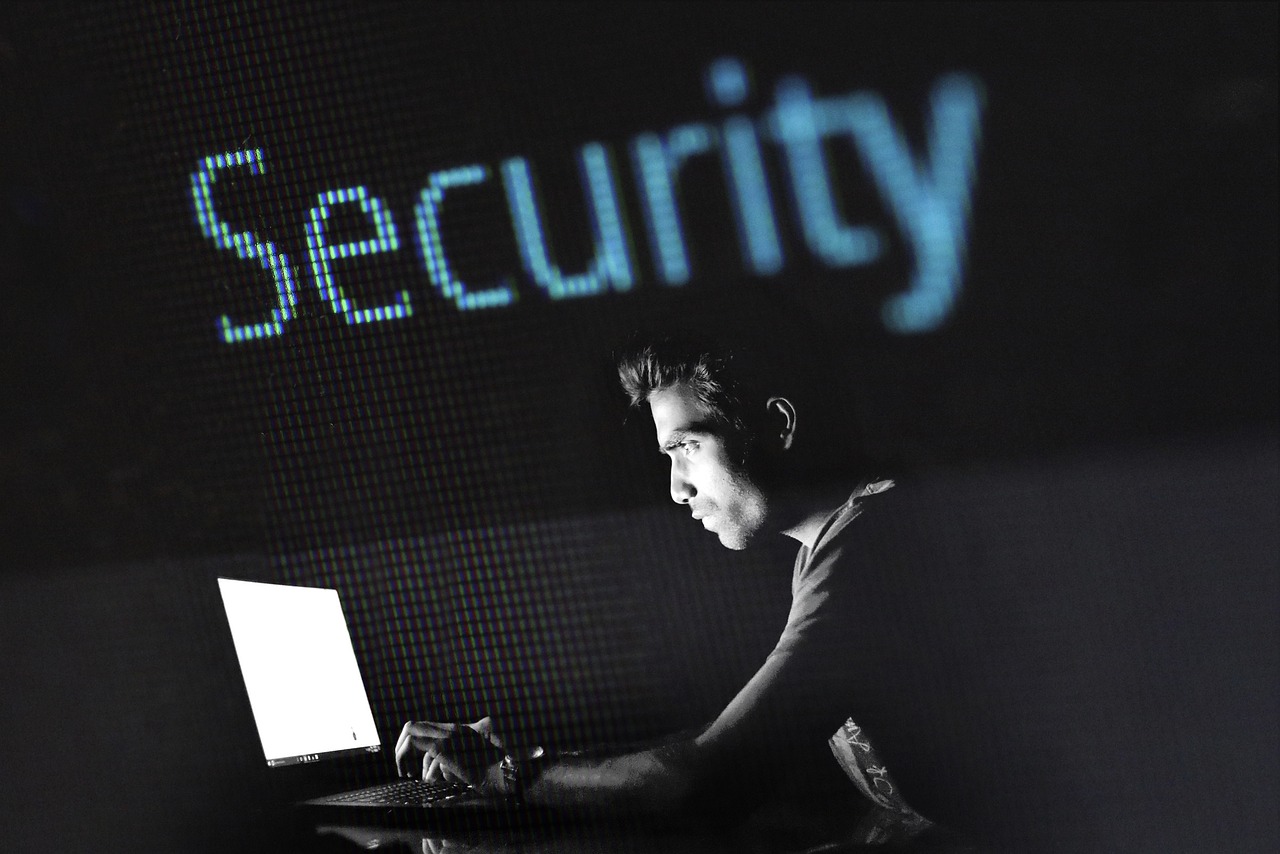
The shift toward remote work has created new opportunities for flexibility and productivity but has also introduced significant cybersecurity challenges. Employees working from home often access company networks and sensitive data from personal devices, increasing the risk of cyberattacks. Implementing strong security practices is essential for protecting both organizational and personal information.
Secure Remote Connections
Using secure connections is the foundation of remote work cybersecurity. Virtual private networks (VPNs) encrypt internet traffic, protecting data from interception over public or unsecured networks. Employees should always connect through VPNs when accessing company resources, and organizations should enforce secure connection protocols.
Strong Passwords and Multi-Factor Authentication
Weak passwords are a common entry point for cybercriminals. Remote workers should use strong, unique passwords for each account and enable multi-factor authentication (MFA) whenever possible. MFA adds an extra layer of security by requiring additional verification, such as a temporary code or biometric authentication.
Keep Devices and Software Updated
Regularly updating devices, operating systems, and applications is crucial for patching security vulnerabilities. Automatic updates can ensure remote employees are always running the latest versions, reducing the risk of exploitation by malware or ransomware.
Protect Company Data on Personal Devices
Many remote workers use personal devices to access corporate data. Organizations should implement policies requiring antivirus software, firewalls, and device encryption. Mobile device management (MDM) solutions can help monitor and secure company data on personal devices without intruding on privacy.
Phishing Awareness and Training
Phishing attacks are increasingly sophisticated, often targeting remote employees who may not have immediate IT support. Regular training can teach employees how to recognize suspicious emails, links, and attachments. Encouraging a culture of caution and reporting helps prevent breaches.
Secure Collaboration Tools
Remote teams rely on collaboration tools such as video conferencing, messaging apps, and cloud storage. Selecting secure platforms with end-to-end encryption and access controls reduces the risk of data leaks. Employees should avoid sharing sensitive information on unsecured or public platforms.
Limit Access and Permissions
Applying the principle of least privilege ensures employees only have access to the data and systems necessary for their role. Limiting access reduces the potential impact of a compromised account and minimizes exposure to sensitive information.
Regular Backups and Recovery Plans
Remote workforces should maintain regular backups of critical data to prevent permanent loss from ransomware or accidental deletion. Organizations should also develop recovery plans to quickly restore operations in case of a security incident.
Monitor and Respond to Threats
Continuous monitoring of network activity and endpoints helps detect suspicious behavior early. Organizations should establish clear incident response protocols so that employees know how to report issues and IT teams can respond swiftly.
Conclusion
Cybersecurity for remote workforces requires a combination of technology, policies, and employee awareness. By securing connections, using strong authentication, updating devices, and fostering a culture of vigilance, organizations can minimize risks and protect sensitive information. Proactive strategies ensure remote work remains safe and productive in an increasingly digital landscape.

