
Introduction
Mixed reality (MR) is transforming the digital landscape by combining virtual reality (VR), augmented reality (AR), and artificial intelligence (AI). This integration creates immersive and interactive experiences that blend physical and digital worlds, opening new possibilities for entertainment, education, and business.
What Mixed Reality Entails
Mixed reality goes beyond VR and AR by enabling real-time interaction between digital objects and the physical environment. Users can manipulate virtual elements as if they existed in the real world, while AI enhances these interactions with context-aware responses and intelligent behavior.
Immersive Experiences in Entertainment
The fusion of VR, AR, and AI is revolutionizing gaming and entertainment. Players can interact with realistic digital worlds while AI adapts the experience based on behavior and preferences. This creates more engaging, personalized, and dynamic content.
Applications in Education and Training
Mixed reality offers immersive learning environments for education and professional training. Students and employees can practice complex procedures, explore historical simulations, or conduct virtual experiments safely and interactively, improving retention and skill development.
Enhancing Remote Work and Collaboration
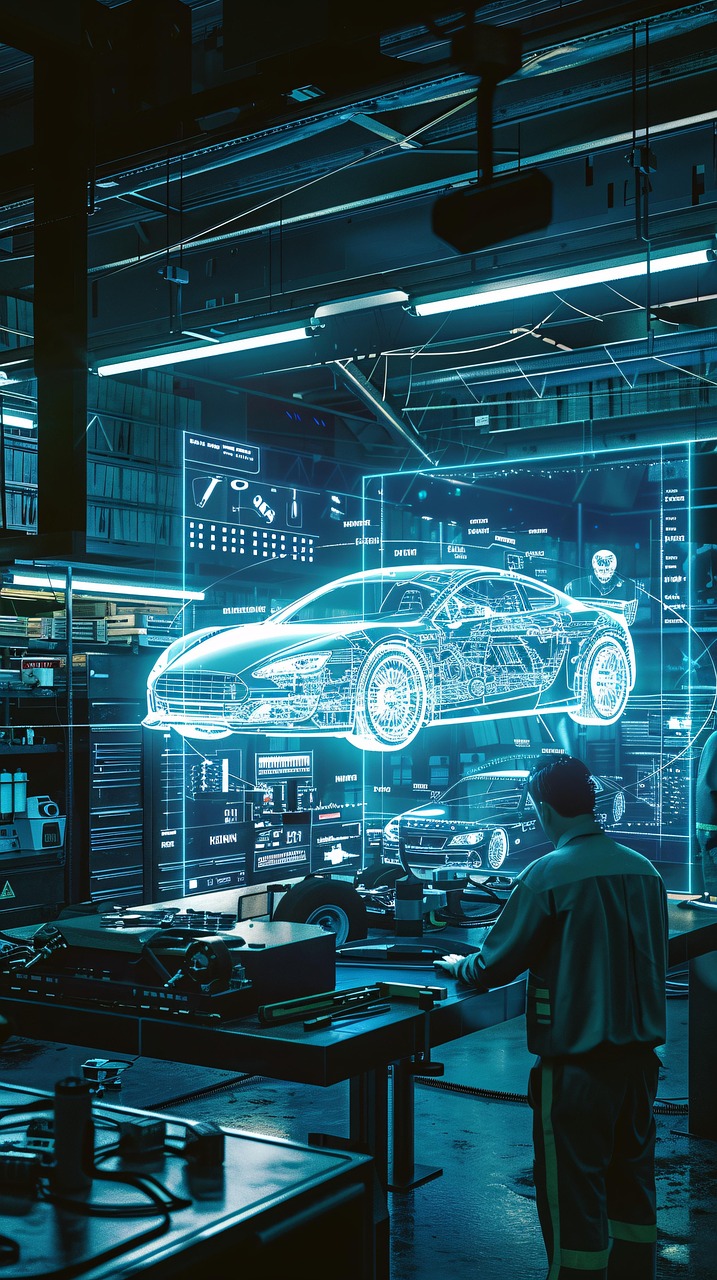
MR tools enable remote teams to collaborate in shared virtual spaces. AI assists by managing tasks, providing contextual insights, and facilitating communication. Designers, engineers, and business professionals can work together in realistic simulations without being physically present.
Healthcare and Medical Applications
Mixed reality is being adopted in healthcare for surgery planning, patient rehabilitation, and medical training. VR and AR provide visualizations of anatomy and procedures, while AI supports diagnostics and predictive modeling, enhancing precision and patient outcomes.
Retail and Marketing Innovation
Retailers are using MR to offer interactive shopping experiences. Customers can visualize products in their own space, try on virtual items, and receive AI-driven recommendations. This enhances engagement, reduces returns, and improves customer satisfaction.
Challenges and Future Trends
Widespread adoption of MR faces challenges such as hardware costs, device ergonomics, and content development. Future trends include lighter, more comfortable devices, AI-generated environments, and greater integration with IoT and cloud services.
Conclusion
The new era of mixed reality, powered by VR, AR, and AI, is reshaping how people interact with digital and physical worlds. As technology advances, MR will expand across entertainment, education, healthcare, and business, creating immersive, intelligent, and interactive experiences for users everywhere.

