
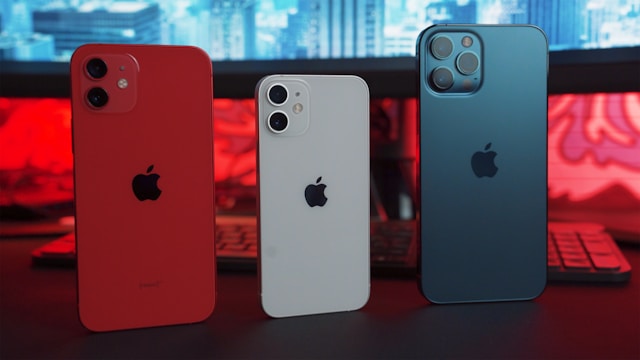
Buying a smartphone in 2026 can feel overwhelming. With hundreds of models available—ranging from budget devices to ultra-premium flagships—it’s easy to get lost in technical specs and marketing hype. The truth is, the “perfect” smartphone isn’t the most expensive one—it’s the one that fits your lifestyle, priorities, and budget.
This guide will walk you step by step through everything you need to consider so you can confidently choose the right phone without wasting money.
Start with Your Needs, Not the Specs
Before comparing phones, take a step back and think about how you actually use your device daily. This is the most important step, yet many people skip it.
Ask yourself:
- Do I use my phone mainly for social media and browsing?
- Do I play heavy games or use demanding apps?
- Do I care about photography or video recording?
- Do I need long battery life for travel or work?
Your answers will determine what features matter most. For example:
- Casual users don’t need high-end processors
- Gamers need powerful performance and cooling
- Content creators need strong cameras
Choosing based on your needs prevents overspending and ensures satisfaction.
Set a Realistic Budget
Your budget is the foundation of your decision. Smartphones in 2026 fall into clear price categories:
- $200–$350: Budget phones (basic tasks, good value)
- $400–$700: Mid-range (best balance of price and performance)
- $800+: Flagships (top performance and features) (The Digital Cove)
You don’t need to buy the most expensive phone to get a great experience. In fact, many mid-range devices offer excellent performance for everyday use.
A smart approach is to:
- Set a maximum budget
- Look for the best value within that range
- Avoid paying extra for features you won’t use
Choose the Right Performance Level
Performance determines how smooth and fast your phone feels. It depends on the processor and RAM.
In 2026:
- Light users: 4–6GB RAM is enough
- Regular users: 6–8GB RAM works well
- Power users/gamers: 8–12GB+ RAM is ideal (Star Tech)
Modern processors like Snapdragon 8 series or Apple chips handle demanding tasks easily. However, if you only browse, stream, and use social media, a mid-range chip will be more than enough.
Don’t chase specs—focus on real-world performance.
Pick the Right Display
Your phone’s display is something you interact with constantly, so it’s worth choosing carefully.
Look for:
- AMOLED or OLED panels for better colors
- 120Hz refresh rate for smooth scrolling
- Comfortable screen size (usually 6.1–6.9 inches) (Consumer Electronics World Expo)
If you watch videos or play games often, a high-quality display will make a big difference. If not, a standard display is perfectly fine.
Don’t Be Misled by Camera Megapixels
Many people think more megapixels mean better photos—but that’s not always true.
In 2026, camera quality depends on:
- Sensor size
- AI processing
- Image stabilization
- Software optimization (Consumer Electronics World Expo)
Modern smartphones use AI to enhance photos, improve low-light performance, and even edit images automatically. (The Sure Direct)
If photography matters to you:
- Look for real photo samples
- Check video quality
- Focus on overall performance, not just numbers
Focus on Real Battery Life
Battery capacity alone doesn’t tell the full story. A 5000mAh battery may not last longer if the phone isn’t optimized properly.
In 2026:
- Most phones last a full day with normal use
- Fast charging can reach 50–70% in minutes (The Sure Direct)
Also consider:
- Fast charging speed
- Wireless charging support
- Software optimization
Real-world battery performance matters more than numbers on paper.
Check Storage and Future Needs
Storage is often overlooked but very important.
Recommended:
- Minimum: 128GB
- Ideal: 256GB or more (HubPages)
If you:
- Take many photos/videos → go higher
- Use cloud storage → lower storage may be fine
Remember, some phones don’t support expandable storage, so choose wisely.
Consider Software and Updates
Software experience affects how your phone feels every day.
Key points:
- iPhones and some Android brands offer 5–7 years of updates
- Budget phones may get fewer updates
- Clean software = better performance and fewer issues
Long-term updates improve:
- Security
- Performance
- Resale value (The Digital Cove)
If you plan to keep your phone for years, this is a critical factor.
Think About Build Quality and Durability
A smartphone is an investment, so durability matters.
Look for:
- IP67/IP68 water resistance
- Gorilla Glass or similar protection
- Strong materials (metal frame or reinforced plastic) (HubPages)
If you drop your phone often, durability should be a priority.
Match Features to Your Lifestyle
Different users need different features. Here’s a quick guide:
- For gamers: High-performance processor, cooling, high refresh rate
- For travelers: Long battery life, strong signal, good camera
- For professionals: Security, software updates, productivity features
- For casual users: Balanced performance and battery
Choosing based on lifestyle ensures you get the most value.
Don’t Ignore Reviews and Real Experience
Specs don’t always tell the full story. Real-world reviews can reveal:
- Battery performance over time
- Heating issues
- Camera consistency
- Software bugs
Always:
- Watch video reviews
- Read user feedback
- Compare real-life usage
This helps you avoid bad purchases.
Smart Tips to Save Money
If you want the best deal, consider these tips:
- Buy last year’s flagship (better value)
- Look for discounts or trade-in deals
- Consider refurbished phones
- Avoid paying extra for features you don’t need
A smart buyer focuses on value, not hype.
Common Mistakes to Avoid
Many people make these mistakes when buying a phone:
- Buying the most expensive phone without needing it
- Choosing based only on brand
- Ignoring software updates
- Falling for marketing specs
- Not checking real reviews
Avoiding these mistakes can save you money and frustration.
Final Thoughts
Choosing the perfect smartphone in 2026 is all about balance. The best phone isn’t the one with the highest specs—it’s the one that fits your needs, budget, and daily usage.
Focus on what truly matters:
- Your usage habits
- Your budget
- Essential features like battery, performance, and camera
Take your time, compare your options, and make a smart decision. A well-chosen smartphone can serve you reliably for years, while a rushed decision can lead to regret.
In the end, the perfect smartphone is not about having everything—it’s about having exactly what you need.

